Why Being Highly Capable Doesn’t Make Planning Your Wedding Alone Any Easier
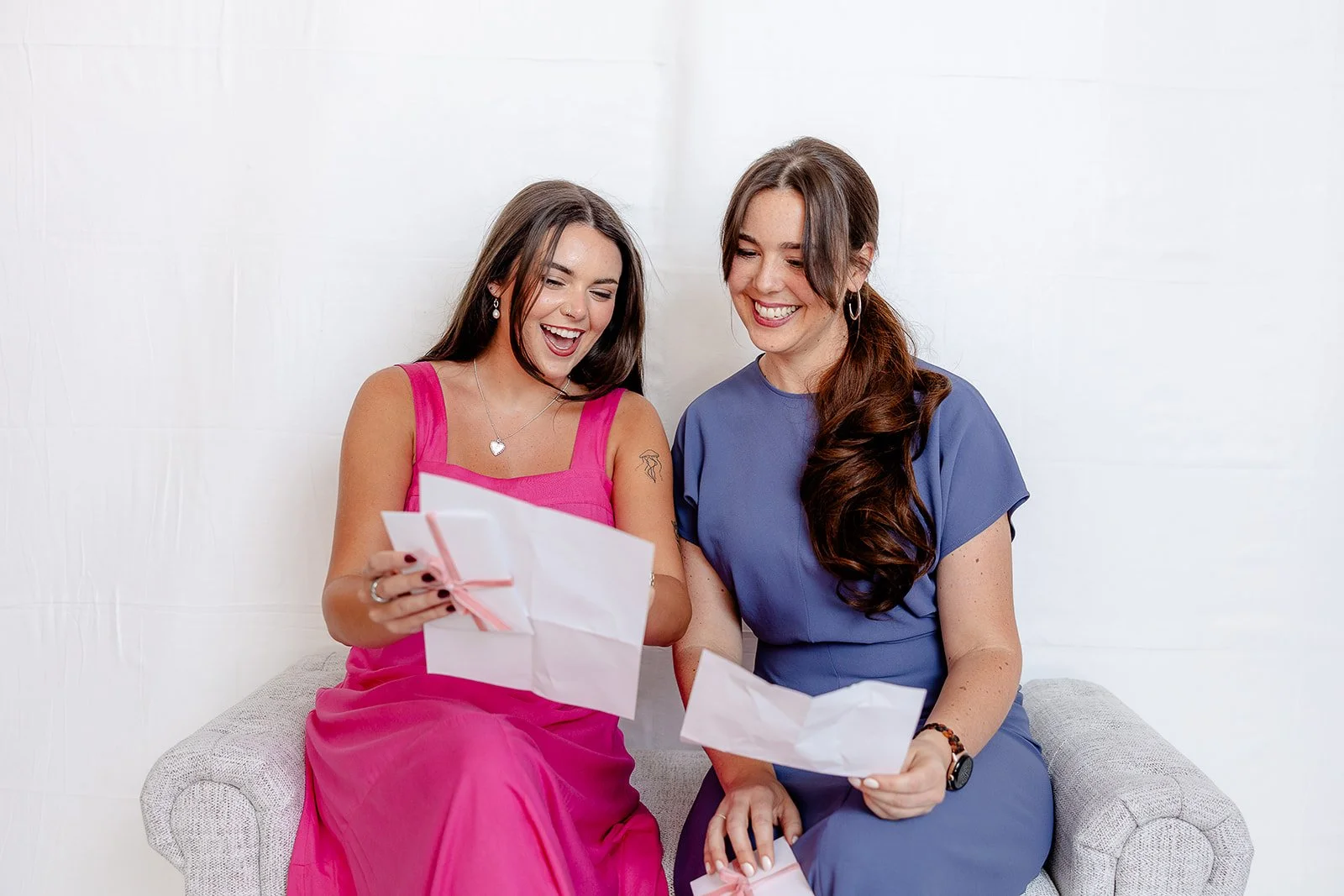
Photography by Emily Turner
At some point, you might catch yourself wondering why wedding planning feels so hard.
You run complex systems at work. You make high-stakes decisions under pressure, sometimes with people’s health or a product launch depending on you getting it right. And yet here you are, stuck for two weeks on whether your centerpieces should be low and lush or tall and airy.
If that gap feels confusing, you’re not doing anything wrong. It’s not a sign that you’re bad at this. It’s a sign that planning a wedding is a completely different kind of problem from the ones you’re used to solving.
The Problems You’re Good at Solving Have Rules
Whatever field you’re in, chances are you’ve built real expertise by working inside a system with structure. There’s a right answer, or at least a best available one. There’s precedent. There’s feedback that tells you whether a decision worked.
A diagnosis either fits the symptoms or it doesn’t. A piece of code either runs or it doesn’t. Even when the stakes are enormous, there’s usually a framework guiding you toward the next step.
Wedding planning has almost none of that.
There’s no clinical guideline for whether to serve a plated dinner or family-style meal. No test suite that tells you whether your wedding color palette is correct. Every decision is subjective, emotionally loaded, and layered on top of every other decision you’ve already made.
Choosing a florist doesn’t just determine your flowers. It affects how you allocate your wedding budget, which can influence your guest count, venue layout, rentals, and timeline. Nothing sits entirely on its own.
Why Wedding Planning Makes Smart People Feel Stuck
This is usually where planning starts to feel more difficult than it should, and it isn’t really about indecision.
Every wedding-planning decision has three parts stacked inside it. First, you have to research the options. Then you have to make the decision. Finally, someone has to execute it correctly.
At work, you’re rarely responsible for all three parts at once. Someone else has usually gathered the data before it reaches you, or a team carries out the decision once you’ve made it. There are also other perspectives carrying real weight alongside your own, whether that’s a client, a boss, a team, or a target audience.
Planning your wedding hands you all three parts at the same time, for hundreds of decisions in a row. This time, it’s largely up to you and your partner. There’s no client to defer to and no established team to weigh in. It’s a very different kind of load from the one you’re used to carrying.
It isn’t about not knowing what you want. It’s about not having help with the two parts of the process that have very little to do with actually wanting something.
There’s another layer to this too. Even in a job you care about deeply, most decisions still lean on something outside yourself, like a protocol, a data set, or a client’s stated goals. That external factor doesn’t just inform the decision. It often carries a good part of the weight of making it.
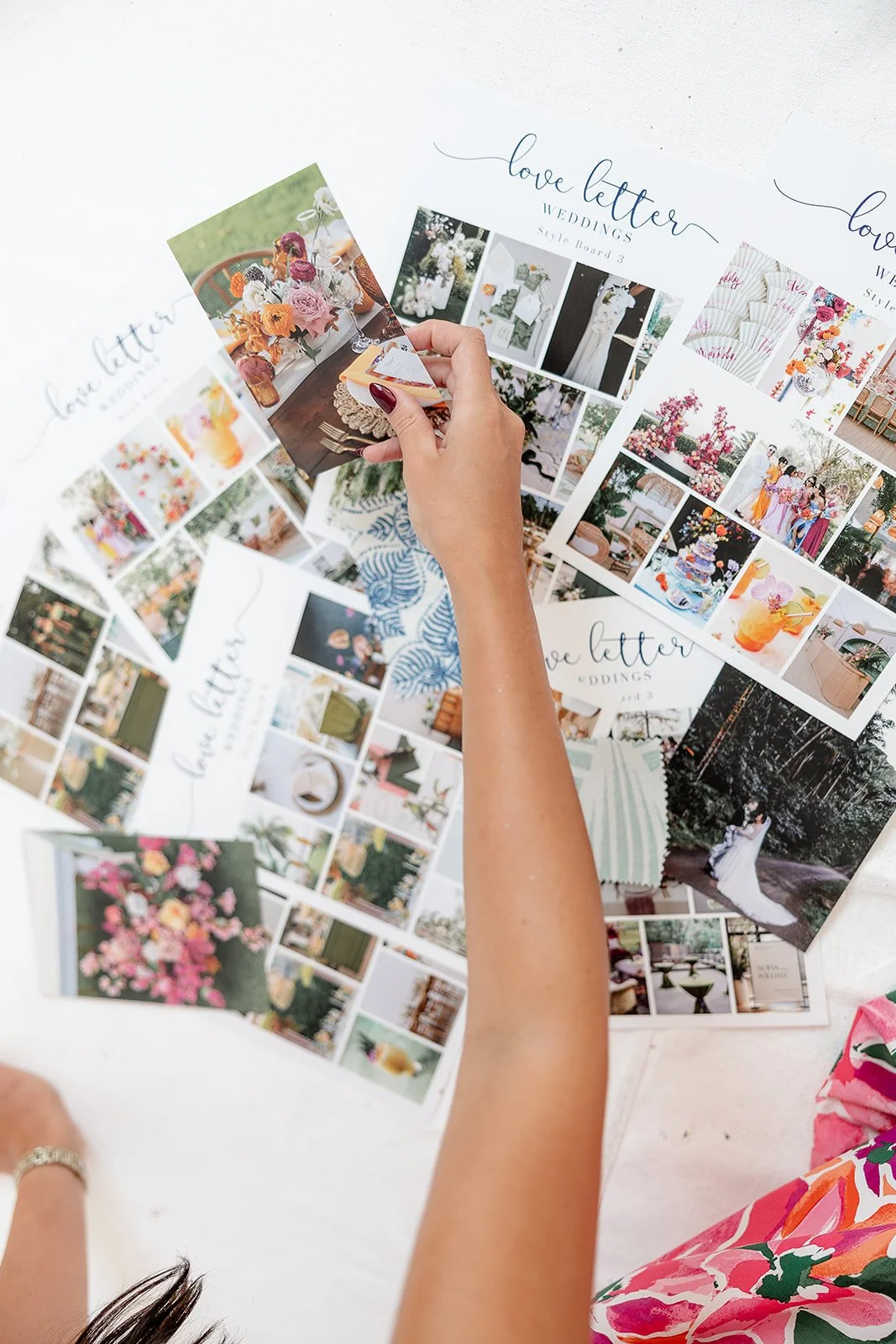
Photography by Emily Turner
Wedding planning has outside factors too, including your budget, guest count, venue limitations, and the logistics of planning a destination wedding in Hawaii. But none of those things tell you what you actually want. They can narrow your options, but the direction still has to come from the two of you.
There’s no protocol standing in for your own judgment here, which is exactly why a decision that looks small on paper can end up feeling so heavy.
How a Wedding Planner Makes the Process Easier
This is where a wedding planner changes the equation, not by making decisions for you, but by taking two-thirds of the load off your shoulders.
We do the research, so you’re choosing between options that have already been vetted instead of falling down a rabbit hole of vendor reviews and open tabs while trying to figure out what even exists.
We handle the execution, so once you’ve made a choice, you’re not the one following up to make sure it happens correctly.
What’s left is the part you’re already good at: making a clear decision once you have the information and context you need.
That’s really the shift. You’re not being asked to become an expert in florals, lighting, rentals, or seating charts. You’re being asked to decide what feels right for your wedding, the same kind of call you make all day in your own work, just pointed at a very different subject.
You Don’t Need to Become a Wedding-Planning Expert
You don’t need to become a different kind of decision-maker to plan a meaningful wedding. You already know how to make hard calls.
What you’re missing isn’t skill. It’s a system built for this specific kind of problem, the same way you have systems for the problems you solve every day at work.
That’s what a planner is doing behind the scenes: building a framework so the hundreds of decisions ahead of you have something to sort against, instead of leaving you to weigh every option from scratch.
The goal was never to take the decisions away from you. It’s to give you back the kind of structure you already know how to move through with confidence.
You don’t have to do it all. If you’re planning a destination wedding in Hawaii and want an experienced partner to bring structure to the process while keeping the celebration personal to you, we’d love to hear your love story.