Why Hiring Great Wedding Vendors Isn't Enough for Your Destination Wedding in Hawaii
One of the most common things we see couples do when planning a destination wedding in Hawaii is prioritize their budget toward the vendors they feel will have the biggest impact on their wedding day.
And honestly, we get it.
Your photographer is responsible for preserving memories you'll look back on for decades. Your florist helps create the atmosphere you've been dreaming about. Your caterer plays a huge role in your guests' experience, and your DJ or band can completely shape the energy of the celebration.
These are some of the most visible parts of a wedding, so it makes perfect sense to want to invest in them.
What many couples don't realize until they're deep into wedding planning is that hiring great vendors is only part of the equation.
Someone still needs to know how to bring all of those moving pieces together.
Because a wedding isn't just a photographer, florist, caterer, DJ, rental company, and officiant all doing their jobs independently. Every vendor's work impacts someone else's. The rental company influences how the catering team sets up. The timeline affects the photographer. The photographer's schedule affects hair and makeup. The officiant, DJ, venue, florist, and planner all need information from one another to do their jobs well.
This is especially true for destination weddings in Hawaii, where couples are often planning from afar, working with local vendors they may not have met in person, and trusting their planning team to understand how the full vendor team needs to function together.
The most talented photographer in the world won't automatically know which family relationships are especially important to you. The best officiant won't remember every detail from a conversation six months ago. A rental company can't read your mind about how you envision your event flowing from ceremony to cocktail hour to reception.
And while couples can absolutely take on some of that communication themselves, it's difficult to do when you've never spent years watching these vendors work together behind the scenes. Understanding what information each vendor needs, when they need it, and how their decisions affect the rest of the team comes from experience.
These vendors are incredibly talented at what they do. Our job as planners isn't to micromanage them. It's to create a cohesive team by removing uncertainty, sharing information, and making sure everyone has what they need to do their best work.
In many ways, that's what couples are really investing in when they hire a Hawaii wedding planner. Not just timelines, checklists, or someone to answer emails. They're investing in a professional who understands how all of the moving pieces fit together and can help an entire team work toward the same vision.
It's one of the least visible parts of wedding planning, but it's often one of the biggest factors in whether a wedding feels stressful and disjointed or seamless and intentional.
Our Goal: Eliminate Guesswork
At Love Letter Weddings, one of our core planning philosophies is simple: the less guesswork there is, the better everyone performs.
When vendors know what's important, understand the vision, and have the information they need before they arrive on site, they can focus on what they do best instead of spending valuable time trying to fill in the blanks.
Many of the things we do throughout the planning process are designed to create that clarity.
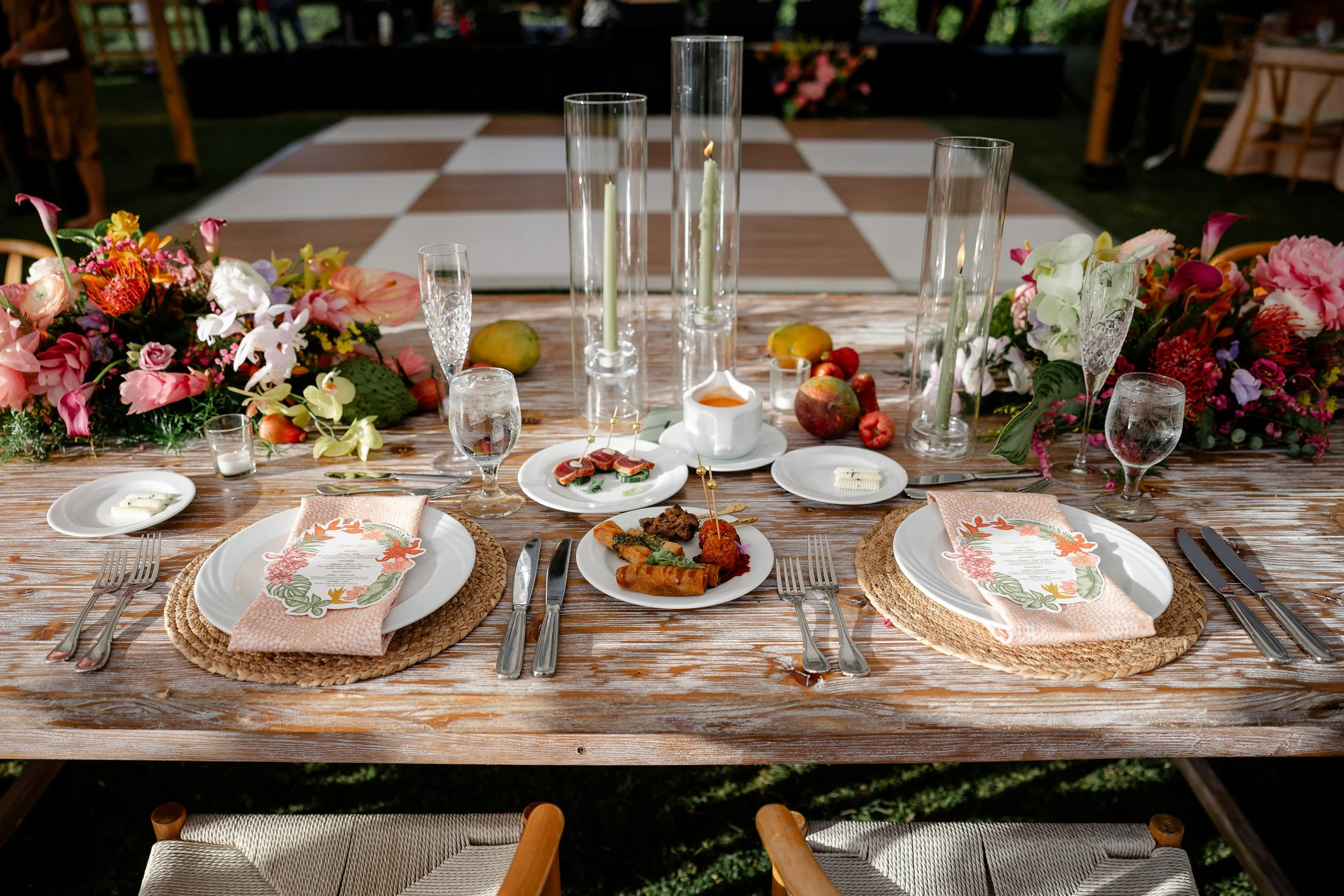
Building Timelines Around How Wedding Vendors Actually Work
In reality, it's a carefully coordinated plan that takes into account how dozens of professionals need to work around one another throughout the day.
Rental companies often need to complete foundational setup before bartenders, DJs, caterers, and other vendors can begin their work. Certain installations need to happen before linens are placed. Service areas need to be established before catering teams arrive.
Just as importantly, we have to think about how vendors physically access and move through a venue. If every vendor arrives at the same time, even the best team can end up waiting on one another. Parking lots become crowded, loading zones get backed up, and vendors can find themselves competing for the same space before they've even started setting up.
When we build wedding timelines, we're not just deciding when things happen. We're considering how each vendor's workflow impacts everyone else's and creating a setup schedule that allows the day to unfold efficiently.
The goal is to give every vendor the space, time, and information they need to do their best work. When that happens, setup feels organized instead of chaotic, vendors can stay focused on their craft, and the entire team is able to work together more effectively.
Helping Rental Teams Arrive Prepared
Before many weddings, we'll create custom Loom videos for our rental partners walking through the event layout and setup plan.
Rather than simply sending a floor plan and hoping for the best, we explain how the event space will function, what areas need to be installed first, and how different elements of the design interact with one another.
This allows the rental team to pack their trucks in setup order and arrive with a clear understanding of the game plan. Instead of spending time troubleshooting logistics on site, they can immediately begin creating the foundation that the rest of the vendor team will build upon.
Briefing Photographers and Videographers on What Matters Most
One of our favorite meetings each wedding week is our photographer and videographer briefing call.
We'll walk through family dynamics, meaningful relationships, special heirlooms, cultural traditions, surprise moments, and any design details the couple is particularly excited about. We also discuss logistical details that may impact their coverage throughout the day, such as decor elements that will be repurposed later or installations that won't be fully complete until a specific point in the event.
Photographers and videographers are incredible storytellers, but every couple's story is different. By taking the time to share those nuances, we're helping them understand what moments deserve extra attention, which details carry special meaning, and how the event will evolve throughout the day.
For example, if ceremony florals are being moved to the sweetheart table after the ceremony, we want the creative team to know that before they begin photographing reception details. If a grandparent played a particularly important role in the couple's relationship, we want them to know that too.
The result is imagery that feels more personal, more intentional, and more complete because the creative team understands both the story behind the wedding and the logistics behind how it all comes together.
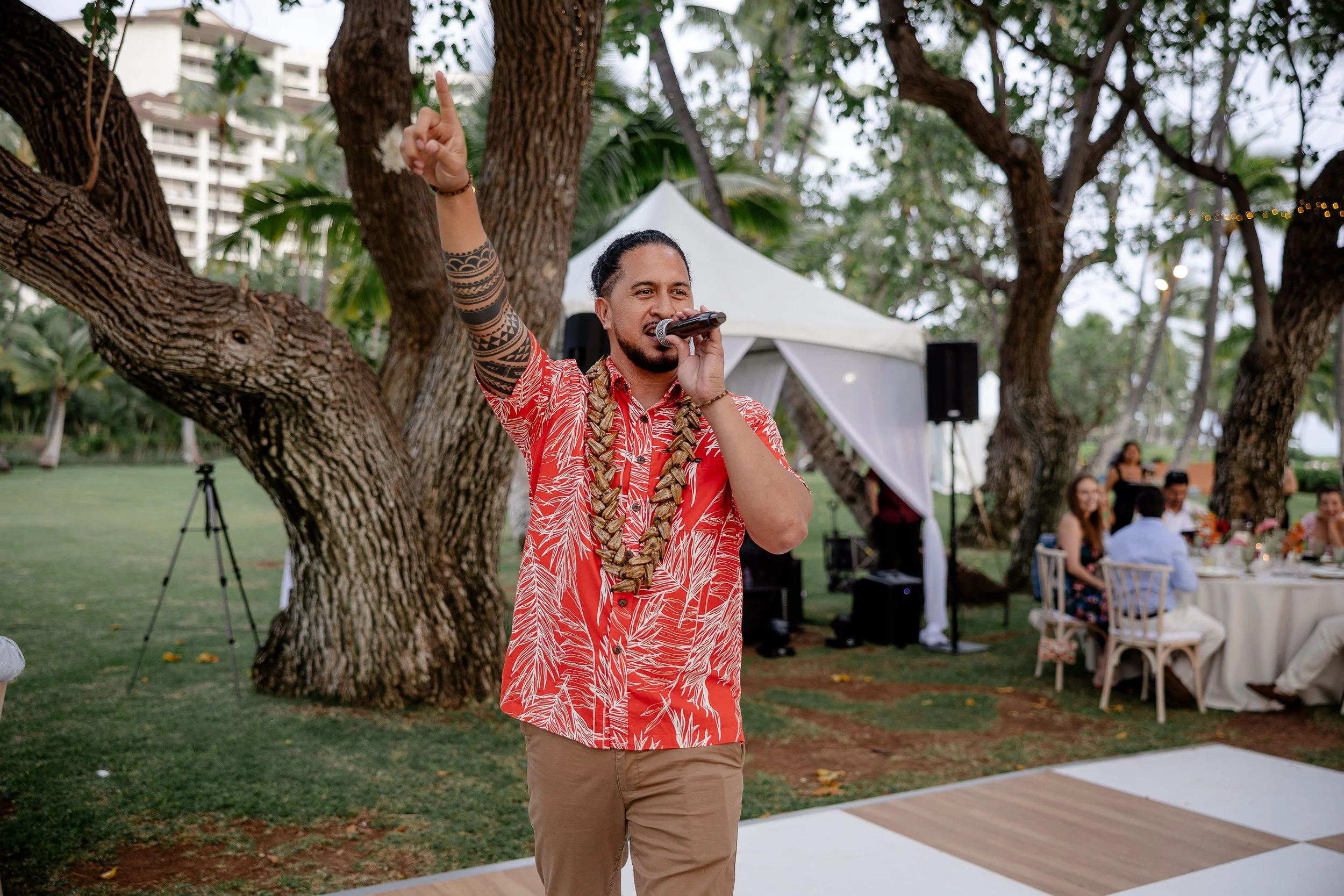
Preparing the Officiant and MC for Success
The week of the wedding, we also schedule calls with officiants and MCs to review the ceremony and reception program in detail.
We discuss pronunciation, timing, music selections, special traditions, family dynamics, and any unique elements that may not be obvious from a timeline alone.
We intentionally have these conversations close to the wedding date because we want that information to be fresh in their minds. Rather than relying on notes from months earlier, they head into the wedding weekend feeling confident and fully informed.
Seeing the Big Picture as Your Wedding Planner
Most couples never see these conversations happening.
They don't see the vendor briefings, the timeline revisions, the layout walkthroughs, or the dozens of small decisions being made behind the scenes throughout the planning process.
What they do experience is the result.
They experience a photographer who already knows which relationships matter most. They experience a rental team that arrives prepared. They experience an officiant who feels confident and informed. They experience a vendor team that feels connected and aligned because everyone is working from the same information.
One of the most valuable things a planner brings to a wedding is perspective. Not just the couple's perspective, but the perspective of someone who understands how all of the moving pieces fit together in a professional, practical, real-world way.
When you've planned hundreds of weddings, you start to recognize challenges before they arise. You understand where communication gaps tend to happen. You know which decisions will impact other vendors, which logistics need extra attention, and where small misunderstandings can turn into larger problems if they're not addressed early.
Much of our role is identifying those potential issues long before they become problems and making sure the right people have the right information at the right time.
The truth is, most wedding days don't become stressful because of one major mistake. More often, stress comes from dozens of small assumptions, unanswered questions, and miscommunications that slowly compound throughout the planning process.
Our goal is to eliminate as many of those unknowns as possible so that when wedding day arrives, every vendor can focus on what they do best and every couple can focus on being present with the people they love.
Because at the end of the day, a great wedding isn't just a collection of talented vendors. It's a team of talented professionals working together toward a shared vision. Helping create that alignment is one of the most important things we do, and one of the biggest reasons a destination wedding in Hawaii can feel seamless, intentional, and genuinely enjoyable from start to finish.
Curious what this could look like for your wedding? Let’s chat about your dream wedding.
If you found this helpful, take a moment to explore how our team prepares before you arrive in Hawaii and the care behind every detail.